
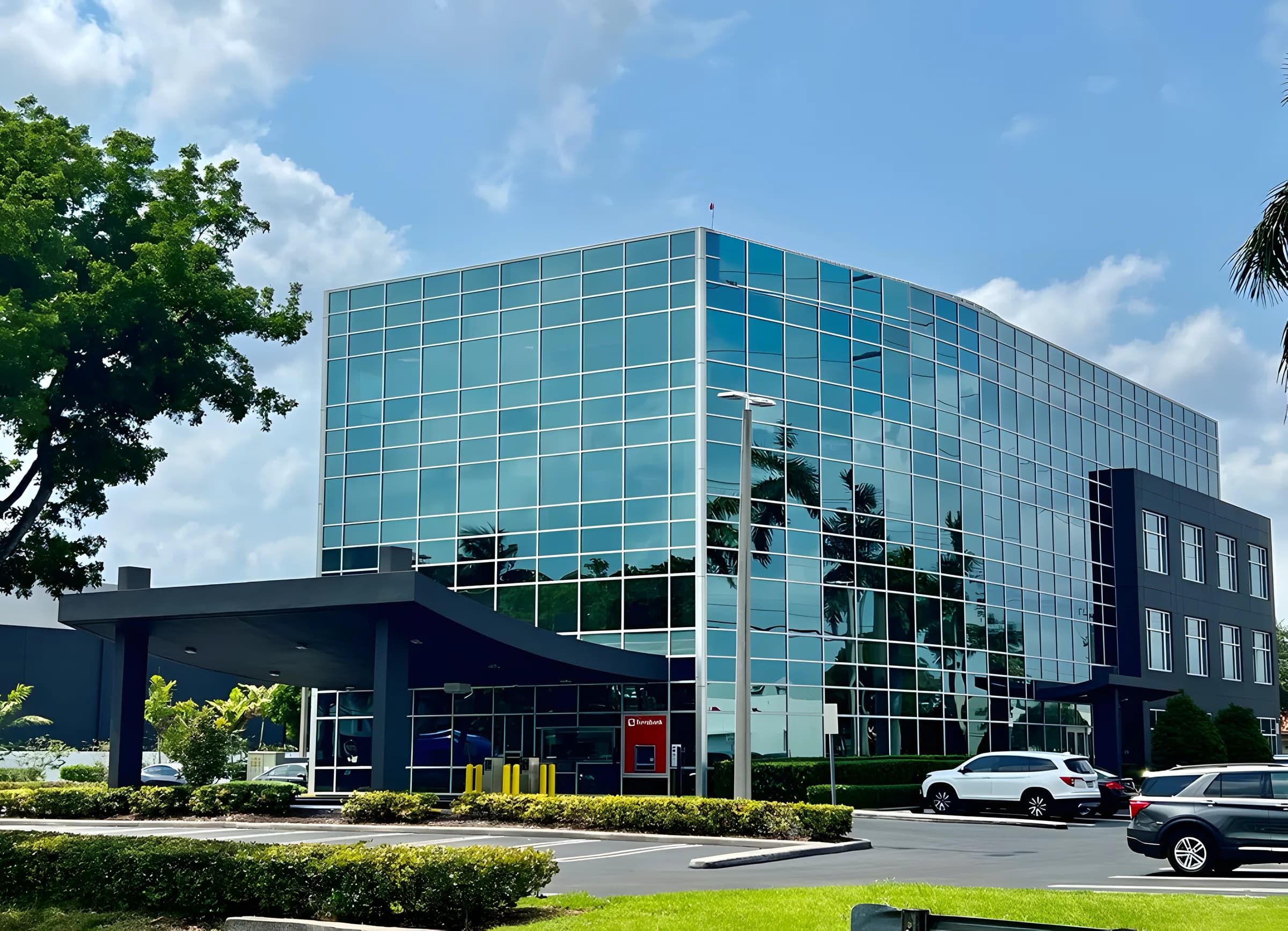
SABAL Research Center
The multidisciplinary research unit of SABAL University. It promotes, coordinates and disseminates research, technological development and innovation, from the bachelor’s capstone to doctoral and postdoctoral work.
Regulations in force since February 1, 2025
Where knowledge is created
- Mission
- To achieve excellence in scientific research and technological development by generating, applying and transferring knowledge, training high-level researchers and helping solve problems that matter to society.
- Vision
- To become an internationally recognized center of research excellence, leading in innovative knowledge and in training highly qualified researchers in business, education, information technology, project management and social sciences.
Objectives
- 01Original, high-quality research aligned with institutional research lines
- 02Interdisciplinary and collaborative research, inside and outside the university
- 03Applied research with tangible, measurable social and economic impact
- 04Training researchers at the master’s, doctoral and postdoctoral levels
- 05Transfer of knowledge and technology to industry and society
- 06Strategic alliances with academic, public and private institutions worldwide

Knowledge areas
Five priority areas frame every capstone, thesis and research project. Each defines five objects of study.

Business and Administrative Sciences
- Organizational and management phenomena
- Business decision-making
- Consumer behavior and markets
- Innovation and entrepreneurship
- Strategic and operational management

Education Sciences
- Teaching and learning processes
- Curriculum design and educational assessment
- Educational technology and digital learning
- Educational management and public policy
- Educational psychology and human development

Information Technology and Systems
- Organizational information systems
- Cybersecurity and data protection
- Artificial intelligence and machine learning
- Blockchain and emerging technologies
- Human-computer interaction

Project and Operations Management
- Project management methodologies
- Operational process optimization
- Risk and quality management
- Logistics and supply chains
- Industrial and occupational safety

Social Sciences and Humanities
- Social and cultural phenomena
- Public policy and social development
- Communication and digital media
- Human rights and social justice
- Interdisciplinary studies
Research lines
Lines cut across all five areas, so a project can connect disciplines.
Matrix lines
Cross-cutting priorities that run through every knowledge area.
Potential lines
Emerging, specialized fields that respond to current research trends and industry needs.
- Digital Marketing and E-commerce
- Entrepreneurship and Innovation
- Artificial Intelligence and Big Data
- Blockchain and Fintech
- Human Talent Management
- Industrial and Occupational Safety
- Real Estate Appraisal and Management
- Educational Psychology and Mediation
- Higher Education and Education Policy
- Risk Management and Business Intelligence
Degree projects, level by level
Every program ends with original work, guided by an advisor and defended before a jury.
Bachelor’s
≤40pages
Bachelor’s capstone (monograph)
A critical, well-sourced monograph on a single specific topic, built from a systematic review of the literature.
- Three formats: compilation, research or experience-analysis monograph
- At least 12 high-quality academic sources
- Introduction, background, thematic development and conclusion
- APA 7th edition, Times New Roman 12, 1.5 spacing
- Plagiarism screening before approval
- External review, corrections and oral defense
Master’s
80–160pages
Master’s thesis
Explanatory or correlational research that generates new knowledge, with in-depth analysis and rigorous use of the scientific method.
- Typical designs: quasi-experimental, correlational, multiple case studies
- Five chapters: introduction, theory, methodology, results, conclusions
- Abstract of up to 300 words in Spanish and English
- Ethics Committee approval for research with people
- Registered with the Research Products Form, signed by the advisor
- External jury and oral defense
Doctorate
150–250pages
Doctoral dissertation
The highest level of academic work at SABAL: original research that proposes new models, theories or frameworks and makes a significant contribution to its field.
- Must fit an institutional knowledge area and research line
- Advanced designs: experimental, longitudinal, participatory action research
- State-of-the-art review, prioritizing the last 5 years
- Derived articles in indexed journals, preferably Q1–Q2, Scopus or Web of Science
- Ethics Committee approval for research with people
- Expert panel and public oral defense; grade of Good (80+) or higher
From proposal to defense
The same three stages apply at every level, and every project is graded with one institutional rubric.
- 1
Stage 1
Proposal
Submit to the research-line committee, get an advisor assigned and register the project.
- 2
Stage 2
Development
Work with your advisor, report progress and obtain ethics review when it applies.
- 3
Stage 3
Evaluation & defense
External review, corrections, oral defense and entry into the institutional repository.
How it is graded
- 30%Theory
- 35%Methodology
- 25%Results
- 10%Form & APA
What counts as research output
The repository accepts the product types defined by the Research Products Form, grouped in three families.
Research & development
Governance and ethics
How the Center is led, how projects are approved, and how research with people is protected.
4year term
Director
Led by a Director with a Ph.D. and at least 10 years of research experience, appointed through an open merit-based process for a four-year term.
12meetings a year
Executive Research Committee
The Director, research-line coordinators and elected postdoctoral and graduate-student representatives meet monthly to set policy and approve institutional projects.
4criteria
Project approval
Proposals go to the research-line committee or the Director and are evaluated on technical, methodological, budget and ethical grounds.
≥5members
Research Ethics Committee
An independent committee of at least five members reviews all research involving people or sensitive data, under US federal rules (45 CFR 46).
Publishing as SABAL
Publications by the Center’s researchers carry the affiliation line below and target journals indexed in Scopus, Web of Science, SciELO and Redalyc.
Affiliation line
SABAL Research Center, SABAL University
Questions about research at SABAL:research@sabal.university